How the Programme is Built, Delivered, and Refined.
The Obranev methodology is not a philosophy document. It is an operational description of how each coaching engagement proceeds — from intake through to programme revision.
Intake & Goal-Setting Framework
The engagement begins with a structured conversation. The intake session is focused on understanding current activity patterns, stated objectives, and the practical constraints — time availability, access to equipment, work schedule — that the programme must accommodate. This information is documented and becomes the reference against which all programming decisions are made.
Movement Screening
A structured series of movement evaluations identifies restrictions, asymmetries, and compensation patterns before programming begins. The screening is not a fitness test — it is a map of how the individual currently moves. Findings are noted against a standardised scoring framework and inform the exercise selection in the first block of the programme.
Programme Design
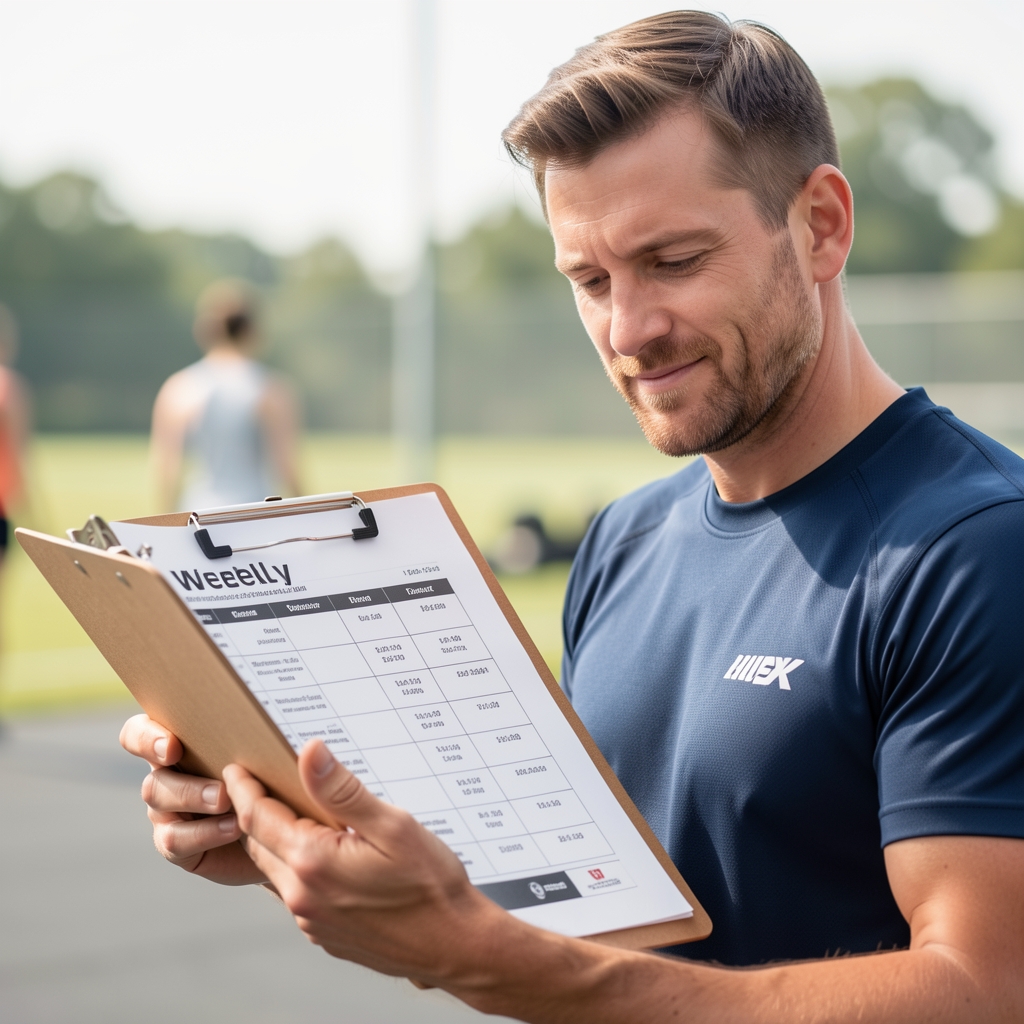
The coach constructs a written programme — a complete, periodised plan covering the full block — within 48 to 72 hours of the intake session. The document includes the weekly schedule, session structures, loading parameters, and the rationale for key exercise choices. A copy is shared with the individual before the first training session.
Delivery & Session Logging
Each session is delivered according to the written programme, with adjustments made in real time where circumstances require. A session recap — noting loads used, form observations, and any deviations from the planned structure — is generated after each session and added to the training log.
Mid-Block Progress Check-In
At the midpoint of each block, a dedicated check-in session reviews the data accumulated in the training log. Body composition measurements are repeated where relevant. Loading parameters, exercise selections, and session frequency are adjusted in response to the evidence — not based on intuition or subjective impression.
Block Review & Next-Phase Planning
At the close of each block, a review session compares achieved outcomes against the goal-setting framework established at intake. A revised programme is written for the following block, with adaptations informed by the full log of the preceding period. The review document is filed and referenced at all future planning points.

What the Practice Holds Itself To
Accredited Practice
Coaching qualifications are current and regularly renewed. Ongoing professional development ensures that programming reflects the most recent peer-reviewed research in strength, endurance, and movement science.
Insured Practice
The studio and its coaching activities carry full professional indemnity and public liability coverage. Documentation of current insurance is available on request.
Evidence-Informed Approach
Programming decisions are grounded in published research in exercise science. Methodological frameworks are reviewed annually; any change to core protocols is documented with the supporting reasoning.
Client Confidentiality
All training records, assessment data, and personal information are handled in accordance with applicable French and European data regulations. No individual's information is shared with any third party without explicit agreement.

Session Architecture
Each session follows a consistent structure: warm-up with activation work, primary compound movement, supplementary exercises, and a structured cool-down. The ratio of each component shifts across the block as the individual adapts.
Progressive Load Management
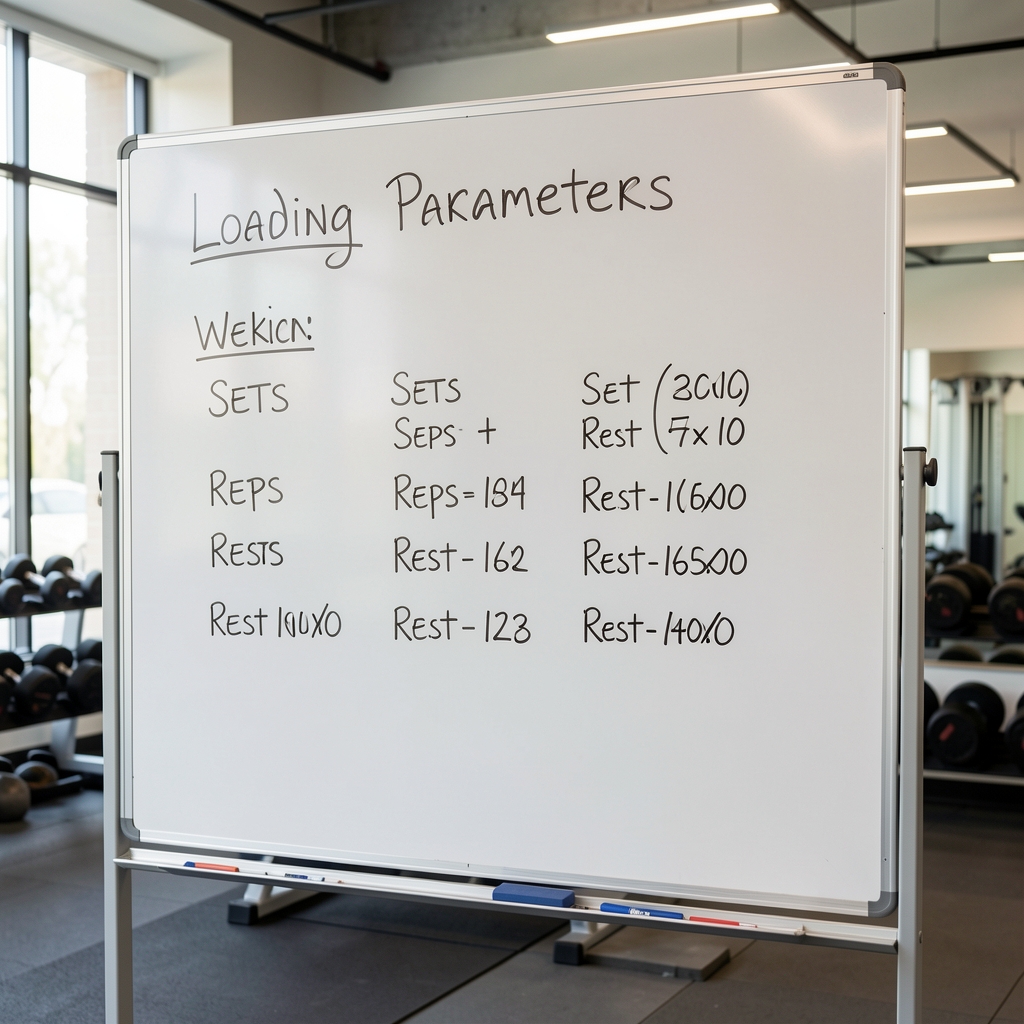
Load increases are planned, not improvised. Each block includes a calculated progression model — typically 2 to 5 percent weekly load increase across compound movements — with planned deload weeks built in at structured intervals.
Active Recovery Integration
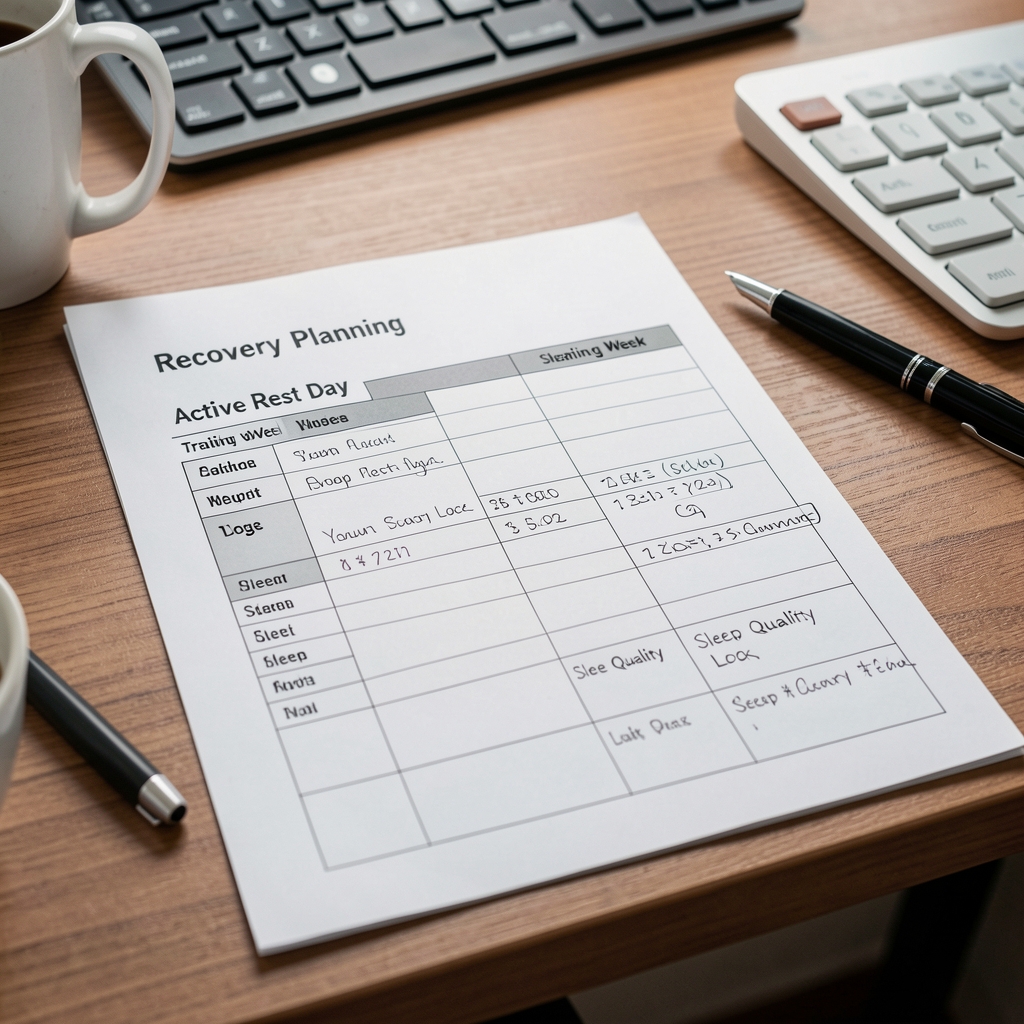
Rest days are programmed alongside training days. Active recovery — light mobility work, low-intensity movement, or structured rest — is written into the weekly schedule as a purposeful component of the overall load management strategy.
How Programming Decisions Are Referenced and Verified
Every significant programme decision is traceable to a reference. This may be a peer-reviewed publication, an established coaching framework (such as the NSCA or ACSM guidelines), or a documented observation from the individual's own training log. Untraceable decisions — those based solely on convention or preference — are flagged during annual methodology reviews and subjected to scrutiny.
The methodology document is versioned. The current version is 4.2, last updated in January 2026. Each version update records what changed, why, and which reference informed the revision.
The Complete Documentation is Available on Request.
A full copy of the Obranev Methodology Document (version 4.2) is available to prospective clients and qualified wellness professionals. Contact the studio to request a copy.
Request the Document